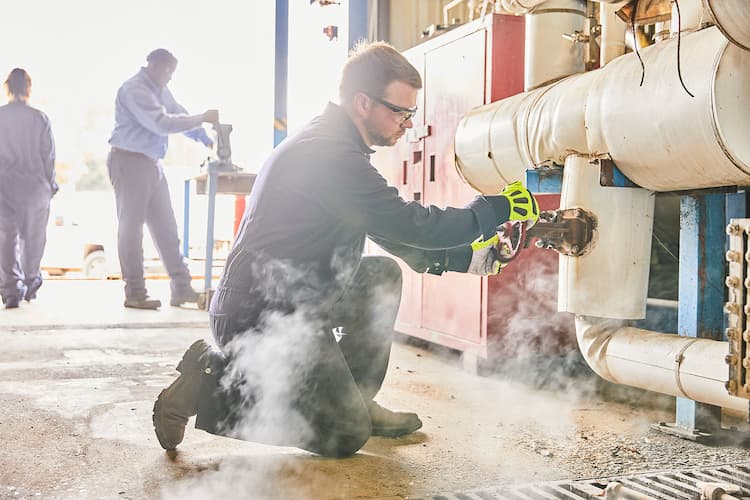
Comprender los peligros

Arco eléctrico, fuego repentino, metales fundidos y soldadura

Conozca los peligros

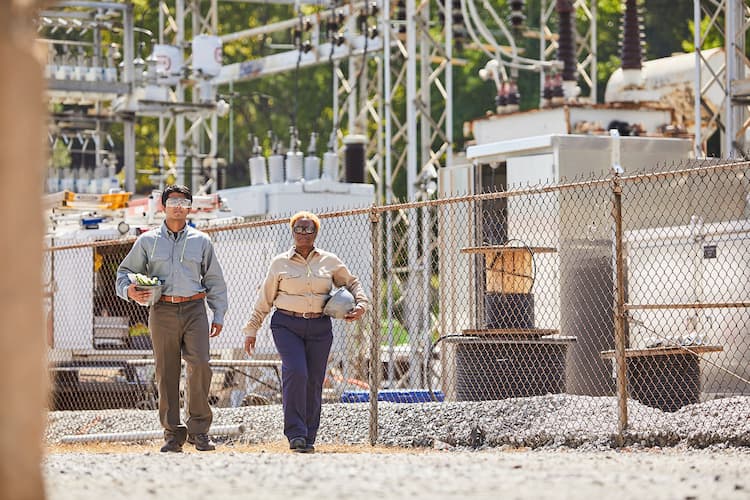
La elección de la tela ignífuga correcta para su programa depende del conocimiento sobre los peligros que enfrentan sus trabajadores, además de las normas del sector establecidas para tales exposiciones al peligro. Realice tres pasos básicos para asegurarse de estar realizando una evaluación adecuada de los diversos tipos de telas ignífugas.
Paso 1
Identifique los peligros potenciales

Los peligros singulares tienen características diferentes considerables. Es por eso que los resultados de las pruebas para cada peligro no guardan relación directa unos con otros, ni se correlacionan con el rendimiento en el campo. Los resultados de las pruebas de fuego repentino no deben sustituirse por las pruebas de arco eléctrico al evaluar los productos. Sea precavido con los fabricantes de fibras o telas que intentan realizar comparaciones entre estos dos peligros.

Paso 2
Identifique las normas consensuadas del sector para la exposición

Se han desarrollado diferentes normas del sector para las pruebas eléctricas arco eléctricofuego repentino. Para los arcos eléctricos, ASTM ha desarrollado el método de prueba F1959, que muestra una clasificación de los arcos. La norma NFPA 2112 se creó para los empleados que trabajan en ambientes donde existen peligros potenciales de fuegos repentinos.

Paso 3
Asegúrese de que la prueba se realiza en laboratorios independientes

Realizar este paso ayudará a garantizar que se están produciendo datos imparciales y científicamente válidos. Las empresas que tienen un interés en la actividad de las prendas ignífugas pueden desarrollar pruebas útiles e interesantes. En última instancia, no existe sustitución para la información generada en un laboratorio independiente.

Peligros

Al identificar la probabilidad y la gravedad de todos los peligros relevantes en el lugar de trabajo, los equipos pueden enfocar mejor su estrategia de seguridad y determinar qué tejido de protección puede marcar la diferencia a la hora de salvar vidas.

Arc Flash

The intense energy and short duration of an electric arc represents a unique exposure — one that requires flame-resistant garments durable enough to withstand temperatures that approach 35,000 °F while providing the wearer with protection to self-extinguish when the arc flash event is over (in tenths of a second) and better insulate/protect against a second degree burn through the fabric.

Once ignited, regular cotton or poly/cotton work clothes could continue burning even after the source of the ignition is removed. Westex arc flash protection fabrics, however, will self-extinguish and provide guaranteed flame resistance for the life of the garment.

Ver detalles
Flash Fire

A type of short-duration fire that spreads by means of a flame front rapidly through a diffuse fuel, such as a dust, gas or the vapors of an ignitable liquid, without the production of damaging pressure.

Ver detalles
Combustible Dust

The primary consensus standard (NFPA 652), the key NFPA standard governing PPE use in combustible dust environments, states employers “shall address PPE, including flame-resistant garments” for operating and maintenance procedures as required by an appropriate workplace hazard assessment outlined in NFPA 2113. Combustible Dust includes a Flash Fire Hazard and FR clothing is required.

Ver detalles
Inadvertent Chemical Splash

Workers in labs face dangerous liquid chemicals and/or solvents at atmospheric pressures, such as corrosive liquids, toxic liquids and absorption and ignition of flammable liquids.

Ver detalles
Molten Metals & Welding

For more than 40 years, heavyweight flame-resistant cotton fabrics have been utilized by the steel industry as secondary protective clothing for workers doing routine tasks in steel processing. Secondary protective clothing is defined as “protective clothing for continuous wear during work activities in designated locations in which intermittent exposure to molten substance splash, radiant heat and flame sources are possible.”

Ver detalles
Low Visibility

Construction, utility, police, emergency medical services, fire fighters and other workers are routinely exposed to the hazards of low visibility — such as motor vehicles and heavy equipment — while on the job.

Hi-visibility fabrics meet specific requirements on how the reflect light so your workers can be seen in those low visibility situations.

Ver detalles

Normativas

Superar los estándares de la industria es fundamental para nuestro compromiso global de suministrar tejidos protectores superiores, resistentes a las llamas y con clasificación de arco eléctrico (FR/AR). En todo el mundo, Westex va más allá de los requisitos establecidos para la exposición imprevista a riesgos. Esta descripción general no pretende sustituir dichas normativas, sino servir como una breve reseña de las mismas. Le invitamos a consultar las normativas completas en el sitio web de la organización correspondiente.

Filtrar por región
NFPA® 2112

NFPA 2112 is meant to provide the specifications for the minimum design, performance, testing and certification requirements and test methods for flame-resistant garments used in areas at risk of thermal exposure from fire. The use of these garments is with the intent of not contributing to the burn injury of the wearer, providing a degree of protection and reducing the severity of burn injuries resulting during egress from or accidental exposure. You can trust that many Westex fabrics are NFPA 2112 certified – contact your regional market manager for more information.

Ver detalles
NFPA 70E®

NFPA 70E is meant to provide a practical, safe working area for employees relative to the hazards that arise from electricity use. This standard addresses electrical safety-related work practices, maintenance requirements and other administrative controls for workers whose job responsibilities involve interaction with energized electrical hazards that could result in injury or fatality due to shock, arc flash and arc blast. The majority of our fabrics provide NFPA 70E category 1 or 2 protection. Reach out to your regional market manager for any additional questions or resources related to 70E.

Ver detalles
ANSI 107

ANSI 107 is used as a guide for the design, performance specifications and use of high-visibility and reflective apparel, like vests, jackets, bib/jumpsuit coveralls, trousers and harnesses. If a garment meets this standard, it can be worn at any point in a 24-hour day and allow its users to be seen by fluorescent and retroreflective materials. Many of our hi vis yellow fabrics—DH, DH Air™, Polartec® FR and UltraSoft®—are certified to ANSI 107. Contact your regional market manager for additional information.

Ver detalles
CGSB 155.20

CGSB 155.20 a national standard of Canada states the minimum requirements and test methods for performance of protective workwear worn for protection against unplanned exposure to hydrocarbon flash fire and optionally steam and hot fluids.

Ver detalles
CSA Z96

CSA Z96 specifies performance requirements for color, retroreflection, and minimum areas as well as the configuration of materials of high-visibility safety apparel intended to provide the wearer with increased conspicuity under both well-illuminated or low-light/dark work environmental conditions. According to this standard, certified apparel should be capable of signaling the user’s presence visually. This standard is in technical harmony with the US standard, ANSI 107, therefore many Westex fabrics that are ANSI 107 certified are simultaneously CSA Z96 certified.

Ver detalles
EN ISO 11611:2015

ISO 11611:2015 specifies minimum basic safety requirements and test methods for protective clothing including hoods, aprons, sleeves, and gaiters that are designed to protect the wearer’s body including head (hoods) and feet (gaiters) and that are to be worn during welding and allied processes with comparable risks. For the protection of the wearer’s head and feet, this International Standard is only applicable to hoods and gaiters. This International Standard does not cover requirements for feet, hand, face, and/or eye protectors.

Ver detalles
EN 1149-5

This European standard specifies material and design requirements for electrostatic dissipative protective clothing, including hoods and caps, used as part of a total earthed system, to avoid incendiary discharges where the minimum ignition energy of an explosive atmosphere is no less than 0.016 mJ. Our DH, Synergy Pro and select styles of UltraSoft fabrics meet this standard. Reach out to our international market manager to learn more.

Ver detalles
IEC 61482-2:2018

This part of IEC 61482 specifies test method procedures to test materials and garments intended for use in heat and flame-resistant clothing for workers if there is an electric arc hazard. A directed and constrained electric arc in a test circuit is used to classify material and clothing in two defined arc protection classes. Our DH, DH Air, Polartec FR and UltraSoft fabrics meet Class 1 of this standard. Reach out to our international market manager to learn more.

Ver detalles
ISO 20471:2013

This international standard specifies requirements for high visibility clothing that’s visually capable of signaling a user’s presence. This clothing is intended to provide conspicuity of the wearer in any light condition when viewed by vehicle operators or other equipment during daylight hours and under the illumination of headlights when it is dark. Our DH fabrics currently meet this standard. Reach out to our international market manager to learn more.

Ver detalles
EN 13034

This British standard specifies the minimum performance requirements for limited use and re-useable limited chemical protective clothing against liquid chemicals (Type 6). Type 6 is intended for use in cases where the risk has been assessed as low and a full liquid permeation barrier is not necessary—when wearers are able to take timely action when their clothing is contaminated.

Limited performance chemical protective clothing is intended for use in cases of a potential exposure to a light spray, liquid aerosols or low pressure and low volume splashes. Westex now meets this standard with a non-PFAS finish for its DH, DH Air and UltraSoft fabrics. Reach out to our international market manager to learn more.

Ver detalles
GB 12014-2019

This standard specifies the technical requirements, test methods, inspection rules, marking, etc., of electrostatic protective clothing used in places where electric shock, fire, and explosion may be caused by static electricity. The standard, however, does not apply to electrostatic protective clothing made with non-woven and high voltage electrostatic shielding clothing.

Many of our Synergy Pro and Optima DH fabrics distributed in Asia meet this standard. Reach out to our international market manager to learn more.

Ver detalles
GB 8965.1-2020

This international standard specifies the classifications, requirements, test methods, inspection rules, marking, packaging and storage of flame-resistant protective clothing used in places with open flames, sparks, or with flammable substances and risk of flashfire. Many of our Synergy Pro and Optima DH fabrics distributed in Asia meet this standard. Reach out to our international market manager to learn more.

Ver detalles
AS/NZS 1906.4:2010

This Australian/New Zealand standard specifies the photometric, colorimetric and physical property requirements for high-visibility materials for outdoor daytime use, or retroreflective materials for use at night or in other dark conditions. This standard should be used for the manufacturing of, or for incorporation into, industrial safety garments designed to be worn in situations where the wearer needs to be highly visible.

Many of our UltraSoft fabrics meet this standard; reach out to our international market manager to learn more.

Ver detalles
AS/NZS 4824:2021

This Australian/New Zealand standard is intended to provide manufacturers, purchasers and users with minimum performance requirements for wildland firefighters’ protective clothing designed for use for extended periods during wildland firefighting and associated activities.

Wildland fire fighting involves work primarily in summer temperatures for many hours where the firefighter may develop high levels of metabolic heat. Consequently, the protective clothing should be light, flexible and proportionate to the risks the firefighter may be exposed to while remaining effective without inducing heat stress to the wearer.

Our Synergy Pro fabric complies with this standard. Reach out to our international market manager to learn more.

Ver detalles
NESC

The purpose of this code is the practical safeguarding of persons, utility facilities, and affected property during the installation, operation and maintenance of electric supply and communication facilities under specified conditions. NESC rules are founded on the fundamental principles used for safety of utility facilities and are accepted as good engineering practice; they are intended to provide a standard of safe practices that can be adopted by public utilities, state or local utility commissions or public service commissions, or other boards or bodies having control over safe practices employed in the design, installation, operation, and maintenance of electric supply, communication, street and area lighting, signal, or railroad utility facilities.

Ver detalles
CAN/ULC-s801-14

CAN/ULC-s801-14 is meant to provide safety performance requirements for electric utilities, workers and employers who are involved on or near electric generation, transmission and distribution systems. It applies to the construction, operation, maintenance and replacement of electric utility systems used to generate, transform, transmit, distribute or deliver electrical power or energy or consumer services or their equivalent.

Ver detalles
EN ISO 11612:2015

This international standard provides the minimum performance requirements for clothing to protect the wearers’ bodies (except for their hands) against heat and flame, which could be worn for a wide range of end uses where there is a need for clothing with limited flame spread properties. Additionally, the wearer could be exposed to radiant or convective or contact heat, or to molten metal splashes. Our DH, DH Air, Indura, Polartec FR, Synergy Pro, UltraSoft and Vinex fabrics meet requirements under this standard. Reach out to our international market manager to learn more.

Ver detalles